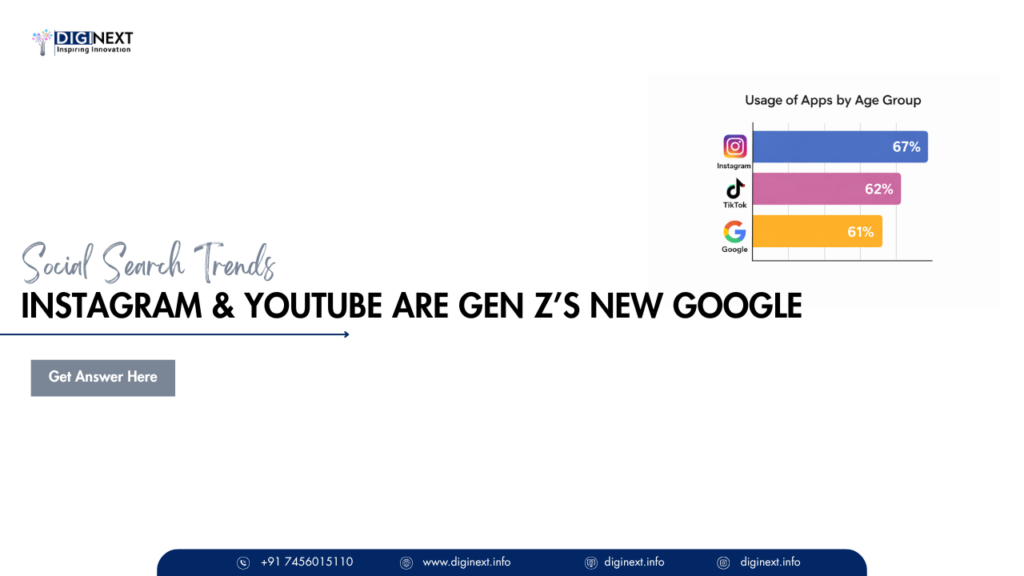
For years, Google was the starting point for almost every buying decision. You wanted to compare phones, find a cafe, or check reviews—Google was the answer. But Gen Z doesn’t shop the same way older generations did. Their first instinct isn’t to type a question into a search bar. Instead, they open platform shaped by today social search trends like Instagram or Youtube.
This isn’t random. It reflects how Gen Z actually lives online. They don’t just search for answers they look for people. They want to see it, hear real opinions, watch someone use it, and decide for themselves.
Discovery, research, and even validation now happen inside social platforms. A creator’s video, a comment section, or a saved post often carries more weight than a list of search results. For Gen Z, trust is buit through familiarity and authenticity, not blue links.
That’s why social platforms have quietly become the new search engines just more human, more visual, and more real.
If you’re a brand, marketer, or creator, understanding this behaviour isn’t optional anymore—it’s a survival skill.
Gen Z Doesn’t “Search”, They Explore
Gen Z grew up scrolling. Discovery feels more natural to them than deliberate searching. Instead of typing “best skincare for oily skin” on Google, they’ll scroll through Reels or Shorts until someone’s routine catches their eye.
On Instagram, they explore through:
- Reels suggested by the algorithm
- Hashtags and location tags
- Creator recommendations and saved posts
On YouTube, they rely on:
- Long-form reviews
- “Honest” comparison videos
- Shorts that quickly show results
This behaviour defines today’s social search trends—searching without consciously searching.
Visual Proof Beats Text Results
Google gives you links. Instagram and YouTube give you proof.
Gen Z wants to see:
- How a product looks in real life
- How it performs after use
- How it fits into someone’s daily routine
A blog article saying “this product works” feels distant. A 30-second Reel showing before-and-after results feels real. A 10-minute YouTube review feels trustworthy.
Visual-first platforms reduce doubt and answer unspoken questions instantly. That’s why Gen Z feels more confident buying after watching content instead of reading reviews.
Trust Is Built Through People, Not Pages
One of the biggest reasons Instagram and YouTube have replaced Google for Gen Z is trust.
Gen Z trusts:
- Creators they follow regularly
- Micro-influencers who feel relatable
- Real comments and audience reactions
They don’t trust:
- Over-optimized blog articles
- Anonymous review websites
- Ads that feel scripted
When a creator says, “I’ve been using this for 3 months,” it carries more weight than a top-ranking Google result. Social platforms humanise recommendations, and that aligns perfectly with Gen Z’s values.
Comments Sections Are the New Review Pages
Earlier, people scrolled through Google reviews. Now, Gen Z scrolls through comment sections.
Before buying, they check:
- “Is this worth it?” comments
- Replies from the creator
- Other users tagging friends
- Honest negative feedback
Comment sections feel raw and unfiltered. They offer real-time opinions that Google reviews often lack. This behaviour is a huge part of emerging social search trends, where peer validation matters more than star ratings.
Instagram and YouTube Fit Gen Z’s Short Attention Span
Gen Z doesn’t want to read five articles to make a decision. They want answers fast.
Instagram Reels and YouTube Shorts:
- Deliver quick insights
- Show results immediately
- Are easy to save and revisit
Even long-form YouTube videos work because they’re structured visually—chapters, demos, and examples keep attention intact.
Google, on the other hand, often requires effort:
- Multiple tabs
- Long paragraphs
- Too much information
Social platforms simplify decision-making.
Algorithms Understand Intent Better Than Keywords
Google works on keywords. Instagram and YouTube work on behaviour.
If a Gen Z user watches:
- One skincare Reel
- Saves a makeup routine
- Likes a fashion haul
The algorithm immediately pushes similar content. Discovery becomes personalised without asking for it.
This is where social search trends truly outperform traditional search. Platforms don’t wait for users to ask questions—they anticipate them.
Local Discovery Is Easier on Social Platforms
For Gen Z, finding places isn’t about “best cafe near me” anymore.
Instead, they search:
- Instagram location tags
- Reels shot at real cafes
- YouTube vlogs featuring the area
They want vibes, not listings.
Social content shows:
- Ambience
- Crowd
- Food presentation
- Real experiences
This makes Instagram and YouTube powerful discovery tools, especially for fashion brands, cafes, salons, and lifestyle businesses.
What This Means for Brands and Marketers
If your strategy is still “rank on Google and we’re done,” you’re missing a massive audience.
To align with current social search trends, brands need to rethink visibility.
1. Optimize Content for Discovery, Not Just Promotion
Create content that answers questions:
- How to use the product
- Who it’s best for
- Honest pros and cons
Avoid overly polished ads. Gen Z values clarity over perfection.
2. Think Like a Creator, Not a Brand
Your content should feel like it belongs on the platform:
- Native Reels, not repurposed ads
- Conversational YouTube videos
- Storytelling over selling
3. Use Captions and Descriptions Strategically
Instagram and YouTube are search engines now. Use:
- Natural language
- Clear product mentions
- Relevant hashtags
This helps your content surface when Gen Z is “scroll-searching.”
4. Focus on Community Engagement
Reply to comments. Pin useful ones. Encourage questions.
Engagement increases reach and builds trust.
Why Google Isn’t Dead—Just Not First
This shift doesn’t mean Google is irrelevant. Gen Z still uses it, but later in the journey.
Their flow often looks like:
- Discover product on Instagram or YouTube
- Validate opinions in comments
- Check price or details on Google
- Purchase
Social platforms now sit at the top of the funnel. That’s the biggest change marketers need to acknowledge.
The Bigger Picture: Search Is Becoming Social
At its core, this change reflects how Gen Z thinks:
- They value authenticity
- They trust people over brands
- They prefer visuals over text
Instagram and YouTube match these preferences perfectly, which is why they’ve quietly become the new Google for Gen Z shoppers.
Understanding social search trends isn’t just about keeping up with trends—it’s about meeting your audience where they already are.
Final Thought
Gen Z isn’t ignoring search. They’re redefining it.
For brands that adapt early, Instagram and YouTube aren’t just social platforms—they’re discovery engines, trust builders, and sales drivers rolled into one.
The question isn’t whether Gen Z will use Google again.
The real question is: Will your brand show up where Gen Z is already searching?
Want to make sure your brand shows up where Gen Z is already searching?
Discover how Diginext helps brands build visibility, trust, and conversions across Instagram, YouTube, and emerging discovery platforms.